
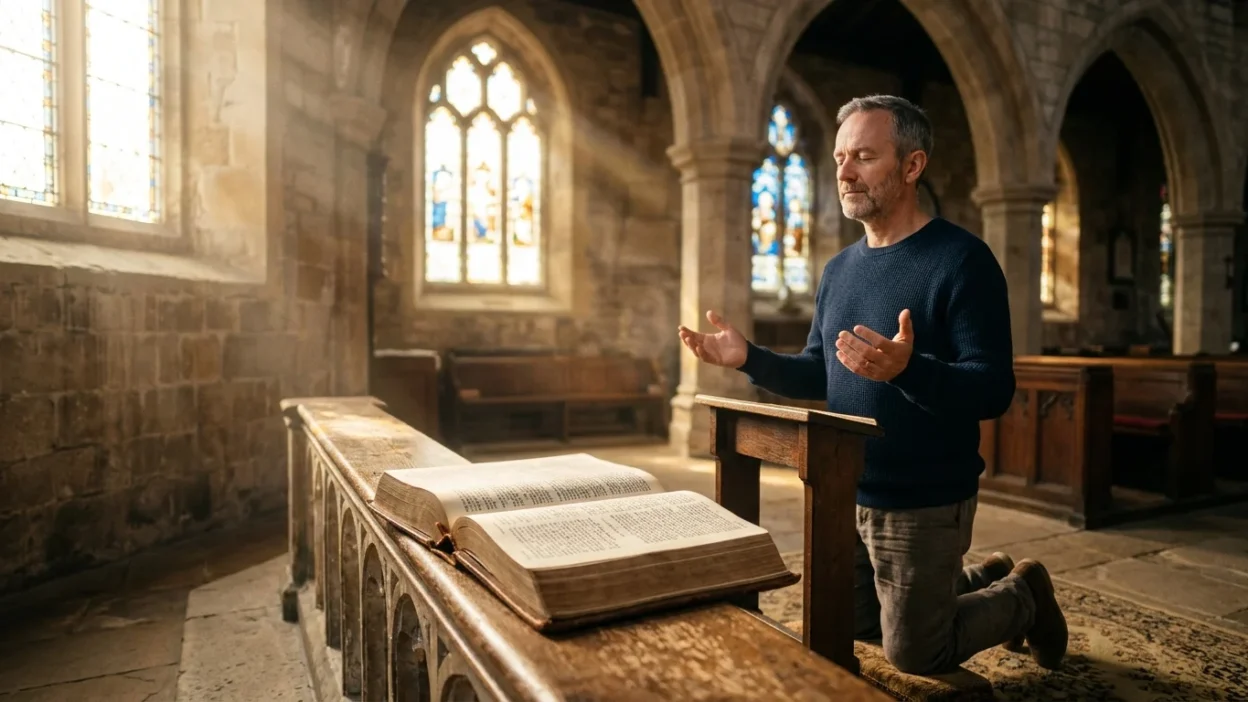
Have you ever stood in church, heard a worship song, and felt your heart become quiet? May be you lifted your hands. May be you bowed your head. Or maybe you simply sat in silence and thought about God.
These moments can make us wonder, what is worship really about?
The worship meaning in Bible teaching is much deeper than singing songs or attending church. Worship is a way of honoring God, loving Him, trusting Him, and giving Him the first place in our lives. It can happen through prayer, praise, obedience, thanksgiving, service, and even quiet moments when we remember God’s goodness.
The Bible shows worship as a response to who God is. He is holy, loving, faithful, powerful, and worthy of our praise. Worship helps us turn our hearts away from fear and toward God’s presence.
In both joyful and difficult seasons, worship reminds us that God is still God. It helps us surrender our worries and place our hope in Him.
So, what does worship mean in the Bible? Let us explore its biblical meaning, spiritual symbolism, and the lessons it can bring to your daily walk with God.
Biblical Meaning of Worship in the Bible
The worship meaning in Bible teaching is closely connected to honor, reverence, surrender, love, and devotion to God.
Worship is not only something we do with our lips. It involves our whole life.
Romans 12:1 teaches believers to offer their bodies to God as a living sacrifice. This shows that Christian worship includes the way we live, serve, think, and respond to God.
Worship Means Honoring God
One of the clearest meanings of worship is to recognize God’s greatness and give Him the honor He deserves.
Psalm 95:6 says:
“Come, let us bow down in worship, let us kneel before the LORD our Maker.”
Bowing represents humility. It shows that God is greater than us and that we depend on Him.
When we worship, we say with our hearts, “God, You are worthy. I trust You.”
Worship Means Loving God
Jesus taught that the greatest commandment is to love God with all our heart, soul, mind, and strength (Mark 12:30).
This kind of love is at the heart of true worship.
You can sing a beautiful song, but biblical worship goes beyond music. It is about having a heart that desires God.
When you pray because you want to know God, forgive someone because God calls you to forgive, or help someone because you want to serve Him, these actions can become acts of worship.
Worship Means Surrender
Worship also carries the idea of surrender.
In Matthew 4:10, Jesus says:
“Worship the Lord your God, and serve him only.”
This verse reminds us that God alone deserves our highest devotion.
Sometimes worship means giving something to God that we are afraid to release. It may be a worry, a dream, a relationship, or a future we cannot control.
True worship says, “Lord, I trust You even when I do not understand.”
Worship Can Happen in Difficult Times
Worship is not only for happy days.
Job worshiped God after experiencing great loss. Job 1:20 says that he fell to the ground and worshiped.
This does not mean his pain was small. His worship showed that his relationship with God was deeper than his circumstances.
This is an important spiritual lesson. Worship does not deny pain. It reminds us that God is present in the middle of pain.
Paul and Silas also worshiped while they were in prison. Acts 16:25 tells us that they were praying and singing hymns to God at midnight.
Their circumstances were dark, but their faith remained alive.
Worship Is a Whole-Life Response
John 4:24 says:
“God is spirit, and his worshipers must worship in the Spirit and in truth.”
True worship involves both the heart and the truth.
It is not simply an emotional experience. It is a genuine response to God based on who He is.
This means worship can happen in church, at home, during prayer, while helping others, or while doing ordinary work with a heart that honors God.
Biblical worship changes the way we live because it changes where our hearts are focused.
Spiritual Significance and Symbolism of Worship
Worship carries powerful spiritual symbolism for Christians.
It symbolizes surrender because we place God above our own plans.
It symbolizes faith because we praise God even when we cannot see what He is doing.
It symbolizes gratitude because we remember His blessings.
It symbolizes humility because we recognize that we need God.
And it symbolizes transformation because true worship slowly changes our hearts.
Imagine someone facing a stressful season at work. Instead of allowing fear to control every thought, they stop and pray, “God, I give this situation to You.”
That simple prayer can become an act of worship.
Or imagine someone who has been hurt by another person. Choosing forgiveness because of Christ can become worship.
Worship can also create space for spiritual awakening. When we focus on God’s character rather than our problems, our hearts can become more peaceful.
This does not mean every problem disappears. It means our perspective begins to change.
We start to see that our circumstances are not bigger than God.
Psalm 29:2 says:
“Ascribe to the LORD the glory due his name; worship the LORD in the splendor of his holiness.”
Worship turns our attention toward God’s holiness and glory.
It helps us remember who He is when life makes us forget.
Biblical Interpretations of Worship in Dreams or Real Life
Sometimes people dream about worship, singing, praying, kneeling, entering a church, or seeing others worship God. Such dreams can feel deeply meaningful.
However, the Bible does not teach that every dream carries a direct divine message. Dreams should be approached carefully and tested against Scripture.
A peaceful dream about worship may reflect a desire to draw closer to God, seek spiritual peace, or surrender something in your life.
A fearful worship scene may point to inner struggles, guilt, confusion, or a need to seek God’s truth.
Dreaming of joyful worship may remind you of hope, gratitude, and God’s presence.
If you have such a dream, do not immediately assume that every detail has a hidden meaning. Instead, pray and ask God for wisdom. Compare what you experienced with biblical truth.
James 1:5 encourages believers to ask God for wisdom.
The safest Christian response is to focus less on guessing secret symbols and more on drawing closer to God through prayer, Scripture, and faithful living.
Practical Lessons & Faith Insights
The meaning of worship in the Bible teaches us to put God first.
You can worship through prayer, praise, obedience, gratitude, generosity, service, and faithful living.
When life feels uncertain, pause and remember who God is. Give Him your fear. Thank Him for His goodness. Trust His timing.
Worship changes our focus from what we cannot control to the God we can trust.
Conclusion
The worship meaning in Bible teaching is about much more than singing or bowing. It is a life of honor, love, surrender, faith, and devotion to God.
Worship can happen in joyful moments and painful seasons. It reminds us that God is worthy even when life is difficult.
As you walk through each day, let your prayers, choices, actions, and heart become an offering to God. When you worship Him, you are reminding your soul that God is still worthy, faithful, and near.

Michael Lucas is a dedicated Bible content writer at Bibliaxs.com, focused on biblical meanings, Scripture study, and Christian teachings. He creates engaging articles that help readers deepen their faith and better understand God’s Word.