Have you ever looked at the world and wondered where everything is heading? News about war, suffering, disasters, and death can make us ask deep questions. What happens at the end of this age? What does the Bible say about the future?
This is where eschatology meaning in the Bible becomes important.
Eschatology is the study of the last things. In simple terms, biblical eschatology looks at what Scripture teaches about the end of the age, the return of Jesus, resurrection, judgment, the kingdom of God, and the future hope of believers.
For some people, the word “eschatology” sounds frightening. They may think only about the end of the world, frightening signs, or judgment. But the Bible gives a much bigger picture.
Biblical eschatology is also about hope.
Jesus promised that He would return. Scripture teaches that death will not have the final word. God will judge evil, restore what is broken, and bring His people into everlasting life.
So, what is the Christian meaning of eschatology? It is not simply about trying to predict a date. It is about understanding God’s promise for the future and learning how to live faithfully today.
Let’s explore what the Bible says about the last days and the hope Christians have in Christ.
Biblical Meaning of Eschatology
The word eschatology comes from a Greek term related to “last” or “last things.” In Christian theology, it refers to the study of events and truths connected with the end of the age and God’s final purposes.
The Bible does not present the future as meaningless or random. It shows that history is moving toward God’s purposes.
Jesus Will Return
One of the central teachings of biblical eschatology is the second coming of Jesus Christ.
Jesus told His disciples:
“I will come again and will take you to myself.” — John 14:3
This promise gives Christians hope.
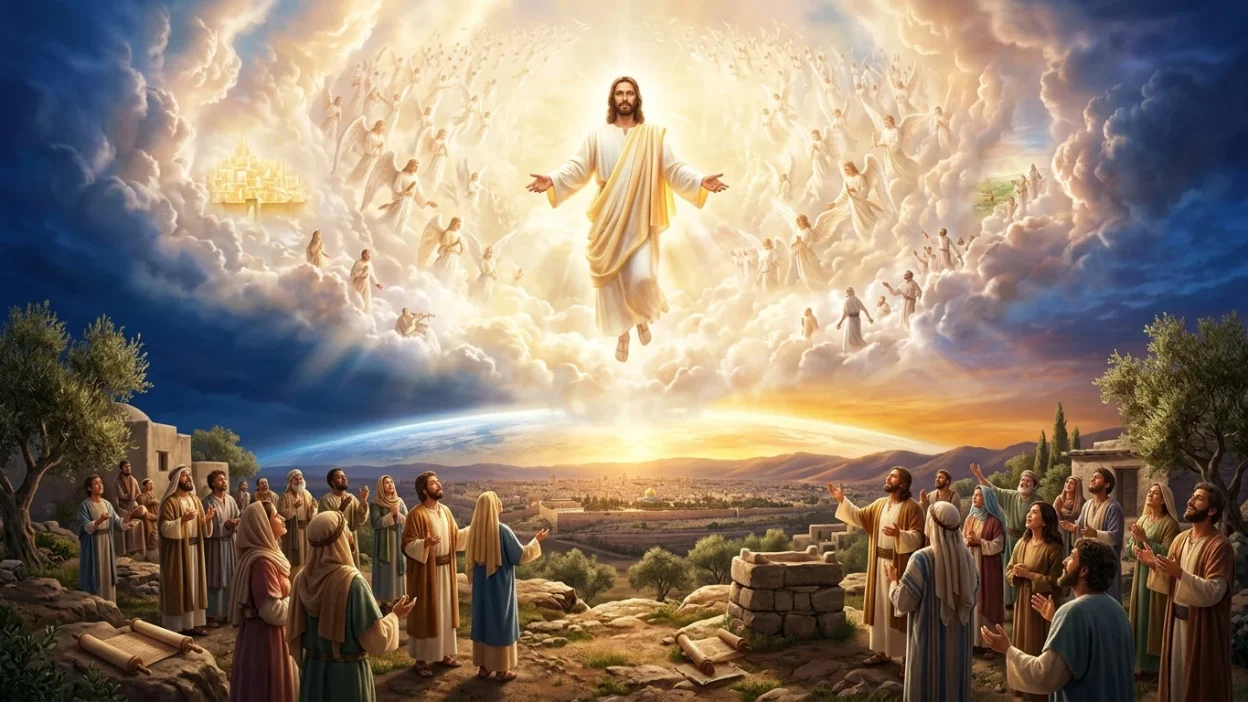
Jesus came into the world, died for sin, and rose again. Christians believe He will return in glory.
Matthew 24:30 also speaks about the Son of Man coming with power and great glory.
The return of Christ is therefore not meant to create hopeless fear in believers. It is a promise that Jesus will come again.
The Resurrection of the Dead
Another important part of eschatology is the resurrection.
The Bible teaches that death is not the end for those who belong to Christ.
Paul writes in 1 Corinthians 15:52 that the dead will be raised and believers will be changed.
This truth offers comfort when Christians grieve.
Because of the resurrection, believers can look beyond the grave with hope.
Christian faith is not built only on what happens in this present life. It points toward eternal life with God.
Judgment and Justice
Biblical eschatology also includes God’s final judgment.
Acts 17:31 says that God has appointed a day when He will judge the world with righteousness.
This can sound serious, and it is. The Bible teaches that God cares about good and evil. Sin will not remain hidden forever.
But God’s judgment also means that evil does not get the final victory.
For people who have experienced injustice, this can be deeply comforting. God sees what people do not see. His judgment is perfectly righteous.
The Kingdom of God
Eschatology is also connected to the kingdom of God.
Jesus often taught about God’s kingdom. The kingdom points to God’s rule and His final victory over sin and evil.
Christians already experience God’s work in their lives, but Scripture also points toward the future fullness of His kingdom.
This gives believers a reason to keep praying, serving, loving, and trusting God.
A New Heaven and New Earth
One of the most beautiful parts of biblical eschatology appears near the end of Revelation.
Revelation 21:1 speaks of a new heaven and a new earth.
Revelation 21:4 gives an even greater promise: God will wipe away every tear, and death, mourning, crying, and pain will be no more.
This is the heart of Christian hope.
The biblical story does not end with destruction. It ends with God restoring creation and dwelling with His people.
That means eschatology is ultimately about God’s victory, restoration, and eternal presence.
Spiritual Significance and Symbolism of Eschatology
The spiritual message of eschatology is not simply, “The world will end.”
It is also:
“God is in control, Jesus is coming, and your faith has an eternal hope.”
This can change the way we live today.
Eschatology Teaches Watchfulness
Jesus told His followers to stay awake and be ready.
Matthew 24:44 teaches believers to be ready because the Son of Man will come at an unexpected time.
Being ready does not mean living in panic.
It means living with faith, prayer, obedience, and a heart turned toward God.
Eschatology Teaches Hope
When life feels painful, future hope gives strength.
Biblical eschatology reminds you that this broken world is not the final story.
God has promised something greater.
Eschatology Calls Us to Holy Living
Peter connects the future hope of believers with daily Christian living.
In 2 Peter 3:11–12, he asks what kind of people believers should be as they look forward to God’s promises.
The answer is clear: live holy and godly lives.
Knowing that Christ will return should not make Christians passive. It should encourage them to love others, serve faithfully, forgive freely, and remain close to God.
Biblical Interpretations in Dreams or Real Life
People sometimes experience dreams about the end of the world, the return of Jesus, heaven, judgment, darkness, or a new earth.
Such dreams can feel powerful.
But the Bible does not teach that every dream about the end times is a direct divine message.
If you have an end-times dream, respond with prayer rather than fear. Ask what the experience may be bringing to your attention.
A peaceful dream about heaven may lead you to reflect on hope and God’s presence.
A frightening dream about judgment may remind you to examine your faith and draw closer to God.
A dream about destruction may simply reflect stress, fear, or concerns about the world.
Always compare spiritual impressions with Scripture. The Bible should remain the foundation for Christian belief.
Practical Lessons & Faith Insights
Eschatology teaches us to live with hope, stay spiritually awake, and trust God’s promises.
Do not let fear about the future control your heart. Pray, read Scripture, love people, and remain faithful.
You may not know exactly when Christ will return, but you can know who holds the future.
Conclusion
The eschatology meaning in the Bible points to God’s plan for the last things, including Christ’s return, resurrection, judgment, and eternal restoration.
Although these teachings can feel serious, their deepest message is hope.
For Christians, the future belongs to God. Jesus will return, evil will not win, and God promises eternal life with Him.
So do not live in fear of tomorrow. Live faithfully today, trusting the God who holds both today and eternity in His hands.

Bret Lee is a dedicated Bible writer and Scripture researcher at Bibliaxs.com, passionate about exploring biblical meanings, Christian teachings, and spiritual wisdom. He creates insightful content that helps readers deepen their understanding of God’s Word and strengthen their faith.