
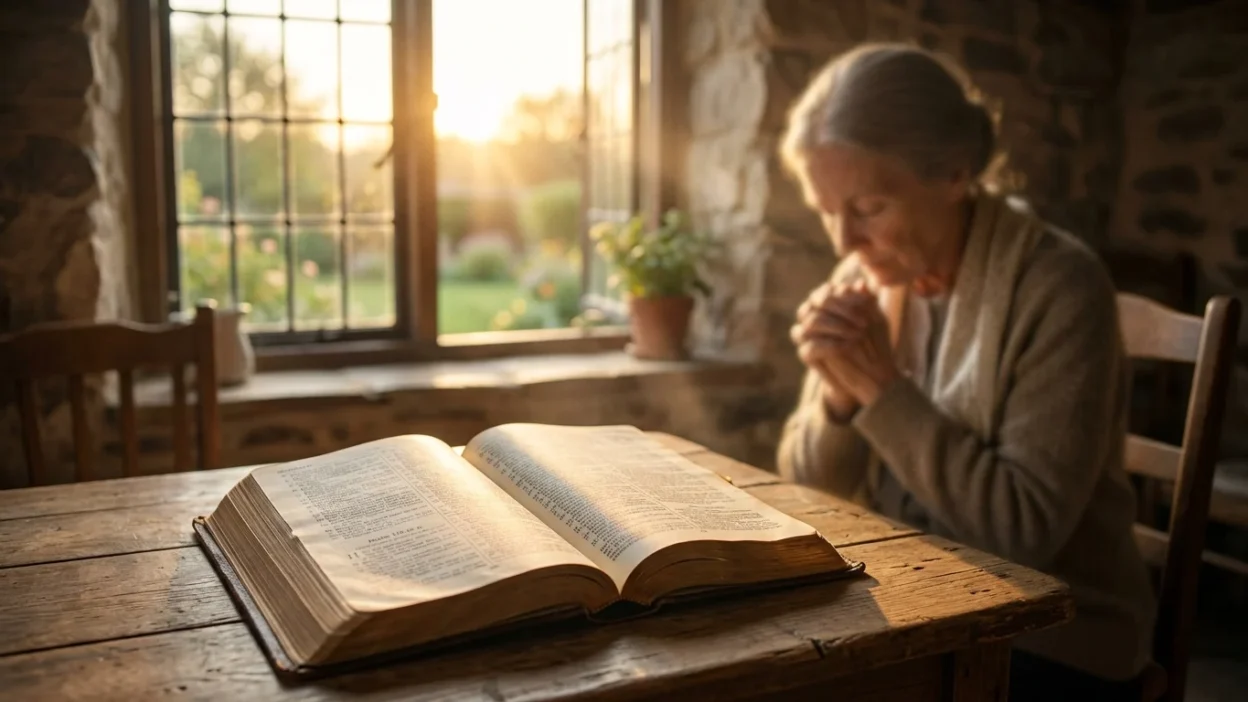
Have you ever met someone whose faith was not loud, but you could see it in the way they lived? They prayed with a sincere heart, treated others with kindness, and tried to honor God in everyday choices.
This kind of life points us toward the meaning of piety.
So, what does piety meaning in the Bible really teach us? Piety is more than going to church, saying prayers, or knowing Bible verses. In a Christian sense, it describes a life of deep respect for God that shows itself through faithful actions.
A pious person seeks God, loves what is good, and tries to live according to His will. True piety begins in the heart, but it does not stay hidden there. It becomes visible through love, obedience, humility, mercy, and prayer.
The Bible often connects godly living with a heart that honors God. Yet Scripture also warns us that religious actions can become empty when they are done only to impress people.
Understanding piety can help us look beyond outward religion and ask a deeper question: Does my daily life show that I truly love God?
Let us explore what the Bible teaches about piety and how this beautiful quality can shape our faith.
Biblical Meaning of Piety
The biblical idea of piety is closely connected with godliness, reverence, devotion, and a life that honors God.
In the New Testament, the Greek word often translated as “godliness” is eusebeia. It carries the idea of reverence toward God that affects the way a person lives.
Piety, then, is not simply feeling close to God. It means allowing that relationship to change your choices.
Piety Means Reverence for God
A person who has true piety understands that God is holy and worthy of honor.
Psalm 111:10 says, “The fear of the LORD is the beginning of wisdom.”
This “fear” does not mean living in terror of God. It points to awe, respect, and reverence.
Piety begins when we recognize who God is and respond with a humble heart.
Piety Is Shown Through Godly Living
The Bible teaches that faith should produce action.
Titus 2:11–12 explains that God’s grace teaches believers to reject ungodly ways and live self-controlled, upright, and godly lives.
This gives us an important picture of Christian piety. It is not about appearing religious. It is about allowing God’s grace to shape our behavior.
A pious life may look simple:
- Choosing honesty when lying would be easier.
- Forgiving someone who hurt you.
- Helping someone in need.
- Praying when you feel weak.
- Speaking with kindness instead of anger.
- Trusting God when the future is unclear.
These ordinary choices can become expressions of devotion to God.
Piety Is More Than Outward Religion
Jesus strongly warned against religious behavior that was performed only for human approval.
In Matthew 6:1, He warns His followers not to practice righteousness merely to be seen by others.
This is an important warning for anyone studying piety meaning in the Bible.
True piety is not measured by how religious we appear. God looks at the heart.
A person may pray beautiful prayers in public but still have a proud heart. Another person may quietly serve others without seeking praise.
God values sincere devotion.
Piety Includes Compassion
James 1:27 gives a powerful picture of practical faith. It describes pure religion as caring for orphans and widows in their trouble and keeping oneself from worldly corruption.
This shows that biblical piety includes both holiness and compassion.
We honor God not only through worship but also through the way we treat people.
Piety Requires Spiritual Growth
Piety is not something we master in one day.
In 1 Timothy 4:7–8, Paul encourages Timothy to train himself for godliness. This comparison with physical training is helpful.
Spiritual growth takes practice.
Prayer takes practice. Patience takes practice. Forgiveness takes practice. Trusting God takes practice.
As we walk with Christ, our hearts slowly become more like Him.
Spiritual Significance and Symbolism of Piety
The spiritual symbolism of piety points to a heart that is turning toward God.
It represents reverence, devotion, obedience, humility, and spiritual maturity.
Piety reminds us that Christianity is not only about what we believe. It is also about how those beliefs shape our lives.
Piety Symbolizes a Heart Devoted to God
When your heart is devoted to God, everyday life can become an act of worship.
Cooking for your family with love, helping a neighbor, working honestly, caring for someone who is struggling, or praying for a friend can all reflect godly devotion.
Romans 12:1 encourages believers to offer their lives to God as a living sacrifice.
Your ordinary life matters to God.
Piety Can Bring Spiritual Transformation
True devotion changes us from the inside.
Instead of asking, “How can I look religious?” piety teaches us to ask, “How can I honor God today?”
That small change in focus can lead to powerful spiritual growth.
It can help us become more patient, humble, forgiving, loving, and faithful.
Piety Is Connected to God’s Presence
A life of prayer and obedience helps us become more aware of God’s presence.
This does not mean every day will feel peaceful. Christians still experience fear, grief, doubt, and struggle.
But piety teaches us to keep turning toward God through those moments.
When life is difficult, faithful devotion says, “I may not understand what God is doing, but I will continue to trust Him.”
Biblical Interpretations of Piety in Dreams or Real Life
If you encounter the idea of piety in a dream or real-life experience, it can be a meaningful prompt for spiritual reflection.
A peaceful scene involving prayer, worship, Scripture, or humble service may remind you of your desire to grow closer to God.
A dream where you feel distant from God may encourage you to examine your spiritual life and return to prayer.
However, the Bible does not teach that every dream is a divine message. Dreams can come from many sources. They should never replace Scripture, prayer, or wise Christian counsel.
If a dream makes you think about piety, ask yourself:
“Is God inviting me to deepen my faith and live more faithfully?”
Rather than becoming afraid, use the experience as an opportunity for prayer and reflection.
Practical Lessons & Faith Insights
The meaning of piety in the Bible gives us a simple lesson: let your faith shape your life.
Pray sincerely. Read Scripture. Help others. Forgive freely. Walk humbly. When you fail, return to God instead of hiding from Him.
You do not need to become perfect overnight.
Small acts of faithful obedience can become a beautiful life of devotion to God.
Conclusion
The piety meaning in the Bible points to a life of sincere devotion, reverence, and godly living. True piety is not about looking religious. It is about having a heart that honors God and shows His love through daily actions.
As you grow in faith, remember that God sees your heart. Keep seeking Him through prayer, Scripture, humility, and love.
Your quiet faithfulness matters. Keep walking with God, trusting that He is shaping your life for His purpose.

Alexander Owen is a passionate Christian writer and Bible researcher at Bibliaxs.com, specializing in Scripture interpretation, biblical meanings, and faith-based teachings. He creates informative content that helps readers grow in biblical knowledge and spiritual understanding.